The Allure of Risk and Reward
The psychological dynamics of risk and reward are central to understanding casino gambling habits. For many players, the thrill of potentially winning a large sum of money can create an addictive cycle. This allure is often enhanced by the bright lights, vivid sounds, and the overall ambiance of a casino, which are specifically designed to evoke excitement and anticipation. Interestingly, many people turn to top bitcoin casinos to amplify this thrill. The anticipation of a win releases dopamine, a neurotransmitter associated with pleasure, reinforcing the desire to continue playing.
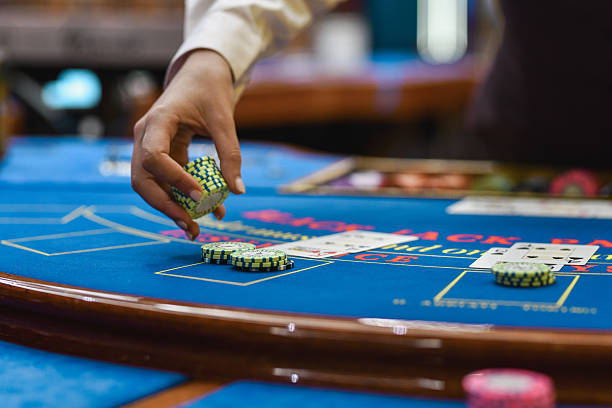
Furthermore, individuals may find themselves drawn to gambling as a means of escape from daily stressors. The act of placing a bet can stimulate feelings of control and empowerment, making it an appealing choice for those in search of a temporary reprieve from reality. However, this can lead to a slippery slope where the thrill of gambling becomes more important than the financial consequences, leading to harmful gambling habits.
Cognitive Biases in Gambling Behavior
Cognitive biases play a significant role in shaping gambling behaviors. One prevalent example is the illusion of control, where gamblers believe that they can influence the outcome of random events, such as rolling dice or drawing cards. This cognitive distortion can lead to overconfidence and persistent gambling, even in the face of repeated losses. Players often attribute their wins to skill rather than chance, reinforcing their gambling habits despite the odds stacked against them.
Additionally, the gambler’s fallacy, the belief that past events can influence future outcomes, can further perpetuate gambling behavior. For example, if a player has lost several times in succession, they might believe that they are “due” for a win, leading them to place more bets. This misjudgment can create a cycle of chasing losses, which entraps many gamblers and makes it increasingly challenging to recognize the potential dangers of their habits.
The Social and Emotional Aspects of Gambling
The social environment of casinos also profoundly impacts gambling habits. Many individuals are drawn to the communal atmosphere where they can engage with others, share experiences, and celebrate wins together. The social aspect can amplify the excitement and enjoyment of gambling, making it more than just a solitary activity. This communal support can create a sense of belonging, compelling individuals to return and gamble more frequently.
On the emotional side, gambling can serve as a coping mechanism for various issues such as anxiety, depression, or social isolation. Those looking to escape their troubles may turn to casinos for a temporary distraction. Unfortunately, this reliance on gambling as an emotional outlet can exacerbate underlying issues and lead to a cycle of addiction, in which the desire to gamble outweighs the awareness of its potential pitfalls.
The Role of Marketing and Casino Design
Casinos utilize various marketing strategies and design elements to attract and retain gamblers. Free drinks, loyalty programs, and promotional events create an enticing environment that encourages prolonged play. Additionally, the layout of a casino is meticulously planned to keep players engaged and disoriented, often lacking natural light and clocks to create a sense of timelessness. This design can lead to longer gambling sessions, as players lose track of time and their surroundings.
Moreover, advertising plays a crucial role in normalizing gambling behaviors. With the increasing visibility of online casinos and mobile gambling apps, more people are exposed to gambling opportunities than ever before. This exposure can desensitize individuals to the risks of gambling, further embedding these habits into their psyche. Understanding how marketing influences behavior is vital for recognizing and addressing unhealthy gambling patterns.
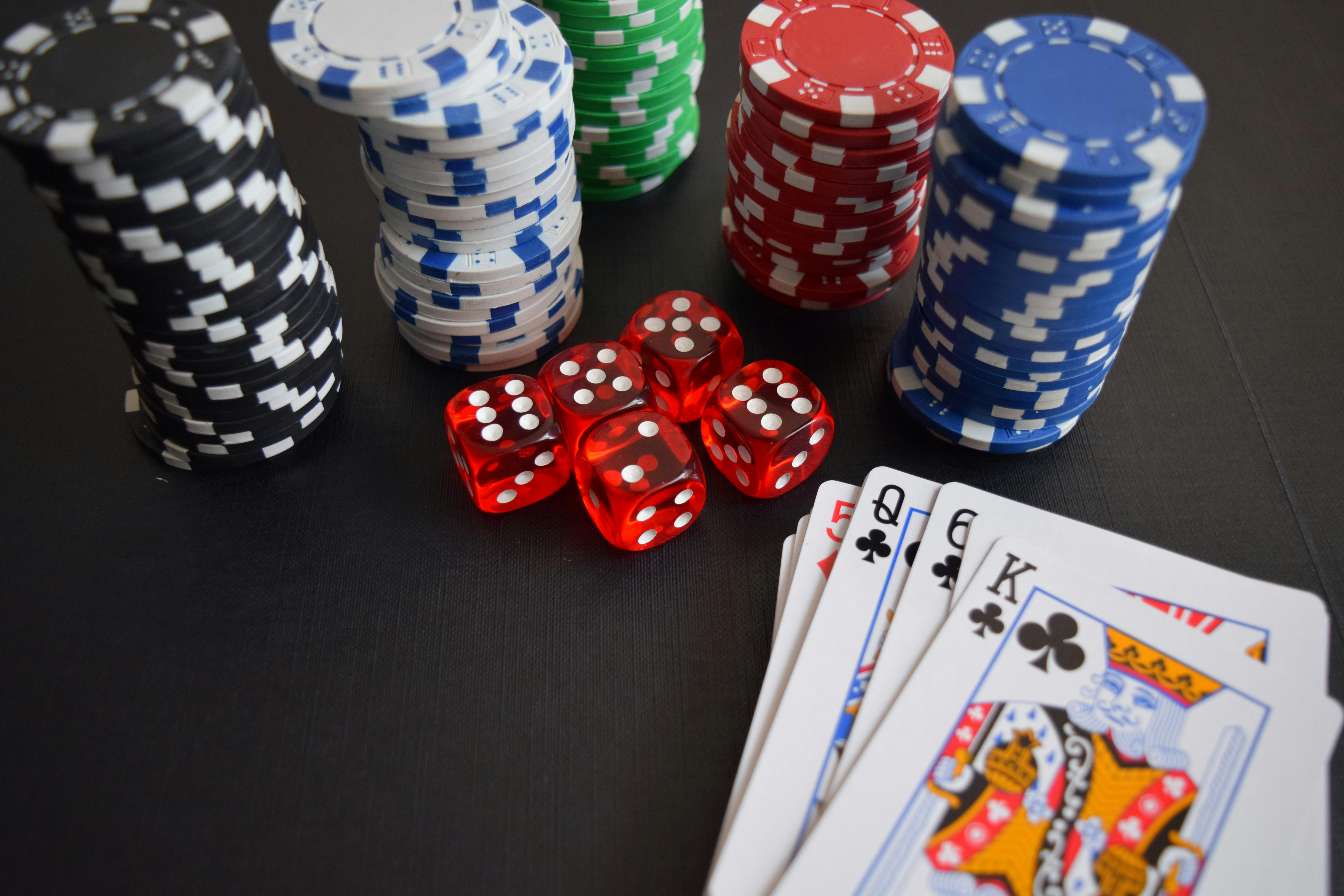
Understanding Gambling Addiction and Support Resources
Recognizing the signs of gambling addiction is crucial for those affected and their loved ones. Symptoms can include preoccupation with gambling, unsuccessful attempts to cut back or stop, and continued gambling despite negative consequences. Being aware of these signs allows for early intervention and support, which can play a pivotal role in recovery.
There are numerous resources and support systems available for those struggling with gambling addiction. Many organizations offer counseling, group therapy, and hotlines to assist individuals in need. Understanding that help is available is a vital step toward overcoming gambling challenges and fostering healthier habits. By harnessing psychological insights, we can better address and manage gambling behaviors, promoting a safer approach to casino experiences.